
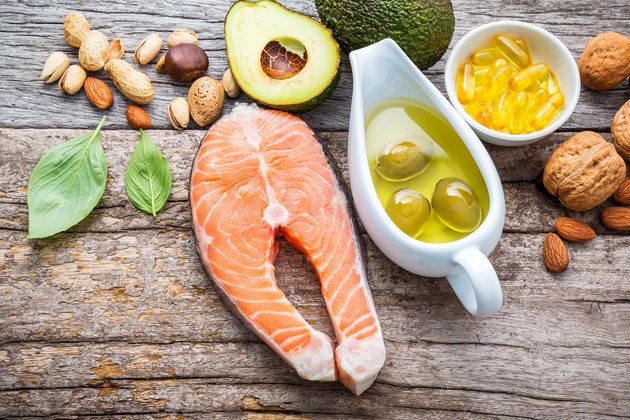
疲劳是当今快节奏,去,去,去文化的一个标志。按照National Safety Council, fatigue costs employers about $136 billion a year in lost productivity. Worse, fatigue leads to depression, obesity, heart disease and other chronic conditions.
Supplement manufacturers don't hesitate to use this as a money-making scheme, marketing vitamins for fatigue that promise to perk you up when you can't get your zzzs. Don't believe the hype. The only time vitamins will help give you energy is if you have a deficiency that causes fatigue.
疲劳的原因
Numerousphysical, mental and environmental factors是在造就了今天的发挥“疲劳流行病”。很多人都有睡眠障碍,如睡眠呼吸暂停,或某些健康状况,如癌症,肌痛,甲状腺问题,心脏疾病,多发性硬化,肥胖和糖尿病,有助于疲劳。心理健康疾病,如抑郁症和焦虑也可引起疲劳。
Then there are lifestyle factors including lack of sleep, stress, drug and alcohol use, lack of exercise and unhealthy diet. Medications you are taking, either over the counter or by prescription, can also cause you to lose sleep or sleep poorly, resulting in lasting fatigue.
Vitamin deficiencies may exist independently or as a result of these health and lifestyle factors. That's why it's crucial to see your doctor if you are dealing with fatigue. A series of blood tests can determine if you are lacking any vitamins. If so, your doctor will want to determine if an underlying health condition is at the root of the deficiency.
Vitamins for Fatigue
Fatigue is a common symptom of nutrient deficiencies. Your body relies on nutrients to perform specific tasks and produce energy. Any nutrient deficiency could cause fatigue, but there are a few vitamin deficiencies specifically known for it.
The group of eightB族维生素, including thiamin, riboflavin, niacin, vitamin B6, folate, vitamin B12 and pantothenic acid, help your body转换你吃成能量的食物. Without enough of each B vitamin, the process becomes inefficient and can result in fatigue.
Vitamins B12 and folate are involved in the creation of red bloods cells, which carry oxygen throughout your body. A deficiency in either of these nutrients can result in anemia, which is a lack of red bloods cells. Fatigue is the primary symptom of anemia. According toMayo Clinic, other symptoms include:
- Shortness of breath
- Dizziness
- Pale skin
- Irregular heartbeat
- Weight loss
- Muscle weakness
- Numbness or tingling in hands and feet
- Personality changes, such as irritability
- Unsteady movement
- Mental confusion or forgetfulness
Vitamin D deficiency can also result in fatigue. According to Stephanie Wheeler, director of wellness atMercy Medical Center,据估计,美国人多达42%的可能是在营养缺乏。维生素d缺乏其他症状包括肌肉无力和骨骼强度的损失。
Common Causes of Nutrient Deficiencies
If a visit to your doctor and lab tests reveal you are deficient in one of the above nutrients, your doctor may recommend short or long-term supplementation. Nutrient deficiencies are often caused by poor nutrition, but they can also be caused by malabsorption disorders in which the small intestine isn't able to absorb the nutrients from food.
According to Mayo Clinic, the most common cause of B12 deficiency is lack of intrinsic factor, a protein produced in the stomach necessary for B12 to be absorbed into the bloodstream. Lack of intrinsic factor can be inherited or it can result from an autoimmune disorder. B12 deficiency can also be caused by restrictive vegan and vegetarian diets, since animal foods are the only reliable dietary sources of the vitamin.
In addition to malabsorption issues and poor diet, folate deficiency can be caused by excessive alcohol intake, since alcohol decreases absorption. Certain medications, such as anti-seizure medications, can also affect folate absorption. Lastly, pregnant or breastfeeding women, as well as kidney patients undergoing hemodialysis, are more likely to be deficient in folate because they have increased nutrient needs.
Called the "sunshine vitamin," vitamin D is made by your skin when exposed to ultraviolet light. However, spending most of the day indoors at a desk and wearing sunscreen makes it difficult for your body to make what it needs.Vitamin Disn't widely available in foods — fatty fish such as tuna and salmon as well as fortified cereals, milk and juices are the best sources. But many people can't get everything they need from these foods, so long-term supplementation may be necessary.
Eat for Energy
If you don't have a diagnosed deficiency, don't waste your money on vitamin supplements for tiredness. Themost effective energy boostdoesn't come in a powder, pill or capsule; it comes from a healthy diet, regular exercise, quality sleep and other healthy lifestyle adjustments.
High-calorie, nutrient-poor, processed foods full of fat and sugar — AKA, the "Western Diet" — wreak havoc on your blood sugar, digestion and various other physiological processes that can leave you low on energy. In the long-run, this类型的饮食leads to obesity and chronic illnesses including heart disease, Type 2 diabetes and cancer.
Cutting out these foods and replacing them with healthy whole foods, such as lean poultry and fish, whole grains, fresh fruits and vegetables, organic, hormone-free dairy and meat, nuts and seeds gives you all the nutrients you need for energy and vitality. Eating regularly spaced meals can help you sustain your energy throughout the day, and avoiding overeating can prevent a post-meal slump.
Also be sure to drink plenty of fluids, asdehydrationcan cause fatigue. According to theMayo Clinic, men need 15.5 cups of water and women need 11.5 cups of water each day. About 20 percent of that comes from water-rich foods you eat, but the rest should come from drinking water and other unsweetened beverages.
运动和睡眠
It might seem counterintuitive that something that tires you out could actually give you energy, but aerobicexercisedoes just that. A sedentary lifestyle can leave you feeling sluggish, while a brisk40-minute walk each daycan perk you up. TheU.S. Department of Health and Human Servicesrecommends all adults get at least 150 minutes of moderate-intensity exercise, such as brisk walking, or 75 minutes of vigorous exercise, such as running, each week.
Of course, getting enough sleep is paramount for fighting fatigue. TheNational Sleep Foundationrecommends adults get seven to nine hours of sleep each night. But that can be easier said than done. If you're having trouble getting quality sleep, try these strategies for getting more shut-eye:
- Go to sleep and wake up at the same time every day
- Perform a relaxing bedtime ritual, such as listening to soft music or taking a warm bath
- Shut off all electronics before getting into bed
- Avoid alcohol and caffeine, especially late in the day and in the evening
- Ensure a cool, quiet and dark sleep environment
- Choose comfortable pillows and a mattress that you like
- 美国国家安全委员会:“工作场所疲劳的成本”
- Mayo Clinic: "Fatigue"
- 地中海linePlus: "B Vitamins"
- 梅奥诊所:“维生素缺乏性贫血”
- Mercy Medical Center: "42% Percent of Americans Are Vitamin D Deficient. Are You Among Them?"
- 哈佛健康:“维生素或矿物质Deficiency Be Behind Your Fatigue?"
- Center for Science in the Public Interest: "Why Good Nutrition is Important"
- Mayo Clinic: "Dehydration"
- Mayo Clinic: "Water: How Much Should You Drink Every Day?"
- Cleveland Clinic: "Always Tired? 7 Hidden Causes for Your Fatigue"
- U.S. Department of Health and Human Services: "Physical Activity Guidelines"
- National Sleep Foundation: "How Much Sleep Do We Really Need?"