

在我们呼吸的空气存在潜在的有毒化学物质,吃的食物和产品,我们日常使用的基础上。有些化学物质比其他人更危险,有的只造成大量或经过多年暴露的威胁。这不是一件容易的肯定知道什么是安全的,哪些避免的。请阅读下文,了解您可能会接触到在普通家用产品定期对潜在危险的化学品12。我们的希望是,在未来12张幻灯片的信息将帮助你做出对食品和产品,你选择在您的家,包括明智的决策。
12 Dangerous Chemicals to Avoid in Everyday Products
Jody Braverman
updated on June 21, 2018
Credit:
Andrew Olney/Photodisc/Getty Images
1.双酚A(BPA) - 发现在瓶和在食品罐衬砌
Credit:
tezzstock / iStock /盖蒂图片社
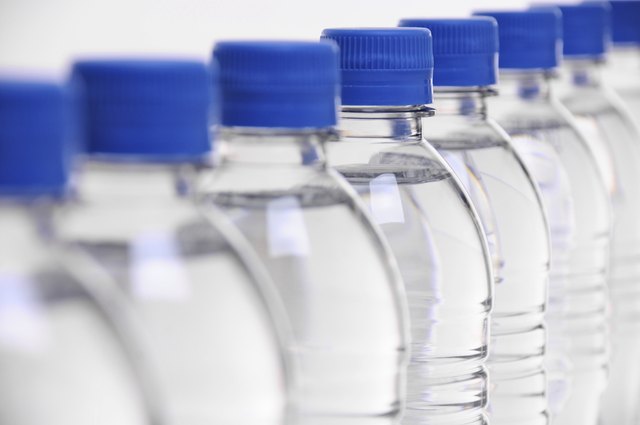
双酚A(简称BPA),塑料瓶和食品罐内衬中,提出了一个担忧,主要是因为曝光是如此的普遍。孕妇和儿童是特别危险,因为环境健康科学全国学院(NIEHS)指出,动物研究显示,暴露后新生儿和胎儿的负面影响。发表在牛津大学出版社杂志2005年的一项日本的研究,人类生殖的结论是,反复流产与BPA暴露有关。毒理学帕特里夏·罗森博士还报告说,BPA对行为有潜在的健康影响,以及大脑和前列腺。虽然罗森说,发生在一些食品中BPA的水平低被认为是安全的,她建议采取预防措施,避免暴晒,包括限制罐头食品的消费,避免在塑料容器加热食物,如加热导致BPA对渗入食物产品。由于这项风险,许多塑料瓶和易拉罐,现在打成不含双酚A,所以能随时留意他们,目标是选择那些。所述NIEHS还建议存储玻璃,瓷或不锈钢容器的食物和使用婴儿奶瓶是不含BPA。该研究所还指出,“一些,但不是所有标有回收代码3或7的塑料可以与BPA进行。”避免它们。
阅读更多:提示,以避免毒素的包装食品
2. Dioxin – Found in Soil, Surface Water and Plant and Animal Tissue
Credit:
Slawomir Fajer/iStock/Getty Images
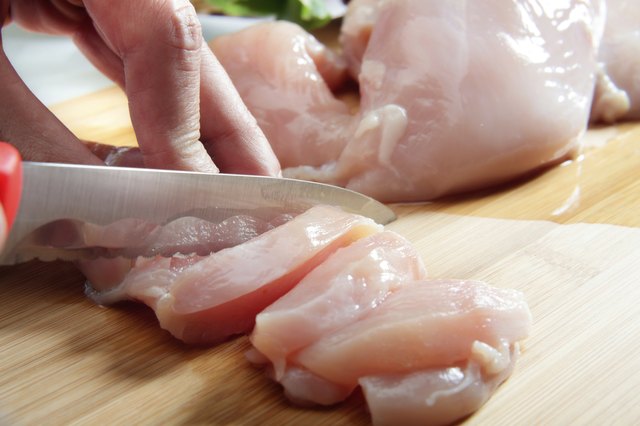
Dioxins are environmental chemicals produced when household and industrial wastes are burned. They're also present in soil, surface water and plant and animal tissue. Primary exposure to dioxins in humans is through contaminated food -- usually animal products, because the chemical accumulates in fatty tissues. "The problem is that this is an endocrine disruptor. What that means is that it will change, potentially, the effect of estrogen and progesterone in our bodies, causing increased risk of certain cancers," Rosen explains. "So something like breast cancer, which is very hormonally-dependent, would have an increased rate." The World Health Organization states that, due to efforts to reduce emissions, the levels of dioxin most humans are exposed to through animal products has lessened, but that pregnant women or those who intend to become pregnant should take extra steps to avoid dioxins: "A balanced diet (including adequate amounts of fruits, vegetables and cereals) will help to avoid excessive exposure from a single source." Rosen recommends that most consumers limit their dioxin exposure as much as possible by reducing their intake of animal products.
Listen now:Is Cannabis the New Kale? 'Bong Appetit' Hosts Dish on the Health Benefits of Weed and Edibles
3. Mercury – Found in Fish
Credit:
gresei / iStock /盖蒂图片社
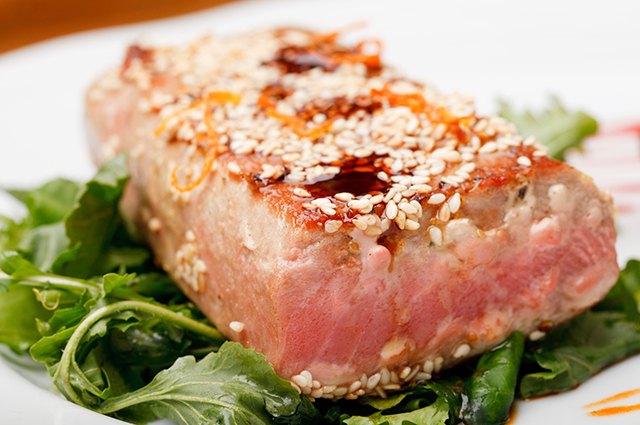
Although fish is a healthy source of omega-3 fatty acids in the human diet, overconsumption can cause problems, especially when the fish is a variety high in the mineral mercury. In high amounts, as it is found in some species of fish such as shark, tilefish, swordfish and king mackerel, mercury can be poisonous. The risk is especially high for young children, and pregnant women should be careful about their fish intake to prevent problems in developing fetuses, reports American Academy of Nutrition and Dietetics spokesperson and registered dietitian Heather Mangieri. "I don't think it's fair to scare the public and say 'we need to completely avoid these,'" Mangieri says--; however, she suggests consumers, especially pregnant women and children, avoid consuming high-mercury fish and instead choose lower mercury options such as salmon, BPA-free cans of chunk light tuna and catfish.
阅读更多:5危险鱼类和3个安全的海产品选择
4. Perfluorinated Compounds (PFCs) – Found in Nonstick Pans
Credit:
SimmiSimons / iStock /盖蒂图片社
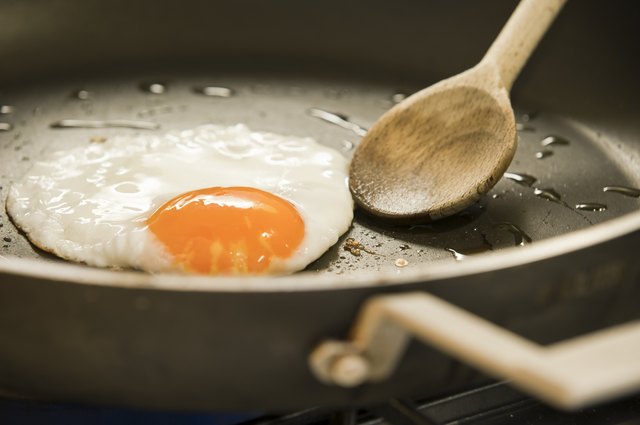
如果你仍然使用老抓破了,nonstick pan, you might want to consider throwing it out. Perfluorinated chemicals, or PFCs, are used in the manufacture of nonstick cookware, and they could be detrimental to your health. The Environmental Protection Agency reports that PFCs have been shown to be toxic in animal studies, exerting negative reproductive, developmental and systemic effects. According to American Academy of Nutrition and Dietetics spokesperson and registered dietitian Heather Mangieri, the risk really occurs when the pans are heated too high or when they become scratched. "You want to avoid heating those pans on super high heat, and never heat an empty pan," she says. "Another thing is to make sure you use a wooden or a silicone utensil, because PFCs can be dislodged in that nonstick coating when it gets scratched."
5.阿特拉津 - 农药玉米和甘蔗,发现在饮用水
Credit:
Elena Elisseeva/iStock/Getty Images
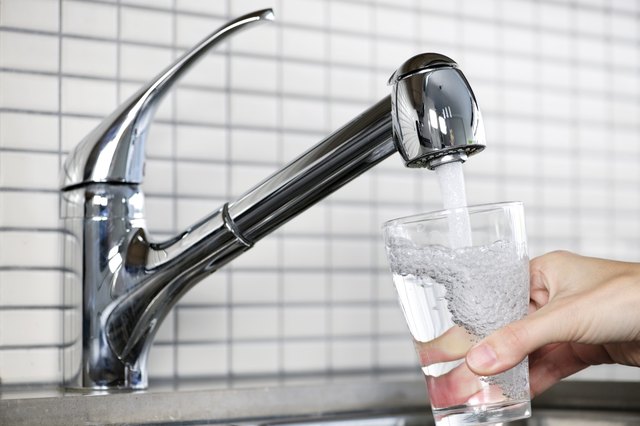
饮用水是莠去津的主要来源,在玉米,高梁和甘蔗的种植用来控制杂草最常见的杀虫剂中的一个。虽然环境保护局(EPA)的多少,可存在于供水套的限制,毒物学家罗森说,很难没有非常严格的控制来调节。In fact, the Pesticide Action Network reports that the U.S. Department of Agriculture found atrazine in 94 percent of the water it tested and that the levels of the chemical can rise above the legal limit in some parts of the country, resulting in "alarming levels of human exposure." Rosen explains: "The problems that it causes are an increased risk for cancer as well as increased cardiovascular risks. In a major city where you have monitoring of your water source, you should be fine." According to Rosen, if you're unsure, you should contact your local agency.
6.有机磷农药 - 杀虫剂,在婴儿食品中发现

Credit:
goodluz /使用Adobe股票
When you're making a choice between organic and conventional on your next visit to the grocery store, you'll want to take into consideration organophosphates -- one of the most common and most toxic pesticides used in agriculture -- and their potential dangers, especially if you have young children. According to the Environmental Working Group, more than 1 million children under the age of 6 consume an unsafe amount of organophosphates each day, and for infants, commercial baby food is the major source of unhealthy amounts of the chemical. High intakes of organophosphates are linked to increased incidence of attention-deficit hyperactivity disorder in children, and they may also have harmful effects on reproductive function. The best thing you can do for your family is choose organic products. If cost is an issue, American Academy of Nutrition and Dietetics spokesperson and registered dietitian Heather Mangieri, recommends rinsing produce thoroughly before eating it.
7. Glycol Ethers – Found in Cleaning Products, Cosmetics & Paints
Credit:
Medioimages摄影/ Photodisc摄影/ Photodisc /盖蒂图片社
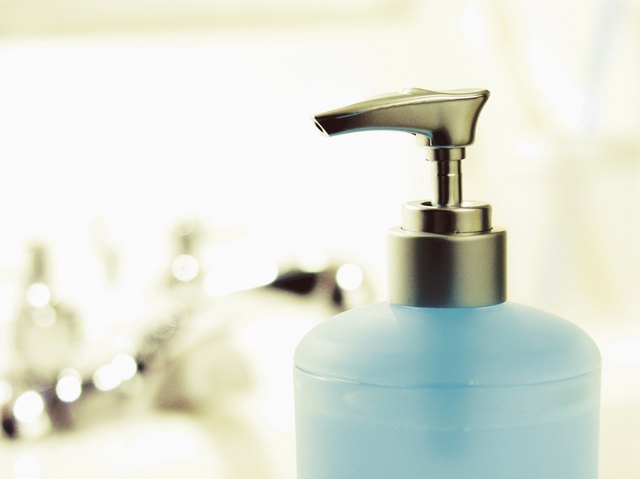
Glycol ethers appear on product labels as any of several variations on the root name, including diethylene glycol dimethyl ether, ethylene glycol monobutyl ether and diethylene glycol monomethyl ether. Although not a hard-and-fast rule, ingredients with long names you can't pronounce are usually best avoided, and this is no exception where glycol ethers are concerned. According to the Environmental Protection Agency, glycol ethers are most commonly found in cleaning products, liquid soaps and cosmetics, where they are used as solvents. Acute exposure to these chemicals can result in necrosis, pulmonary edema and serious kidney and liver damage. Long-term exposure can cause fatigue, nausea, anemia, tremors and anorexia. Although the chemicals pose the biggest threat to people who work with them in an industrial setting, household use still places you at risk. Osteopathic physician and fellow of the American College of Nutrition Dr. Joseph Mercola cautions consumers to avoid purchasing products that list any of the glycol ethers as ingredients. Glycol ethers are used in products like paints, gum, perfume, dyes, liquid soaps and cosmetics, so be sure to check the label.
8. Phthalates – Found in Plastics, Cosmetics and Lotions
Credit:
成渝郑/ iStock /盖蒂图片社
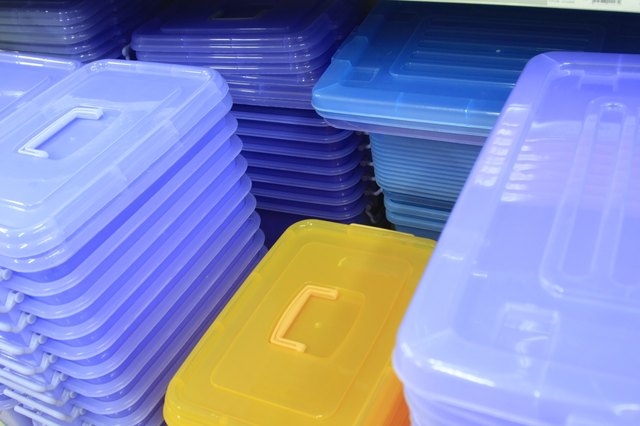
Used to increase the flexibility of plastics and also as solvents, phthalates are found in hundreds of products including plastic containers, vinyl flooring and clothing, toothbrushes, cosmetics, lotions, insect repellents and plastic toys. According to toxicologist Dr. Patricia Rosen, phthalates are endocrine disruptors, which means they mimic or suppress male and female hormones in the body and can lead to cancer, especially hormone-sensitive cancers like breast cancer. "The problem is that these chemicals are so ubiquitous," Rosen says. Humans are exposed to phthalates in the air, through ingestion of contaminated foods and beverages and through skin absorption. To protect yourself from potential hazards, the Zero Breast Cancer organization recommends using only microwave-safe, phthalate-free plastic containers and plastic wrap when heating foods in the microwave, selecting toys and toothbrushes labeled "phthalate-free" and avoiding PVC and personal care products that list phthalates among the ingredients.
9.高氯酸盐 - 用于火箭燃料,在土壤和水中发现

Credit:
Jupiterimages / Pixland /盖蒂图片社
人造和天然,高氯酸盐is a widespread contaminant used in the production of rocket fuel and explosives that can interfere with thyroid function and affect growth and development of the central nervous system in fetuses and newborns. Found in soil, surface water and groundwater, it poses a potential threat to human health because it contaminates our drinking water. According to a 2005 report by the National Academies' National Research Council, perchlorate has been found in high amounts in the drinking water supplies of more than 11 million people. Toxicologist Dr. Patricia Rosen says, however, that perchlorate isn't a problem in water supplies regulated by the Environmental Protection Agency. "If you have a good water source, you should be OK," she says. If you're not sure, you can contact your local government to find out how your water system is monitored.
10.砷 - 在水中发现和(低级别)水稻
Credit:
joel-t/iStock/Getty Images
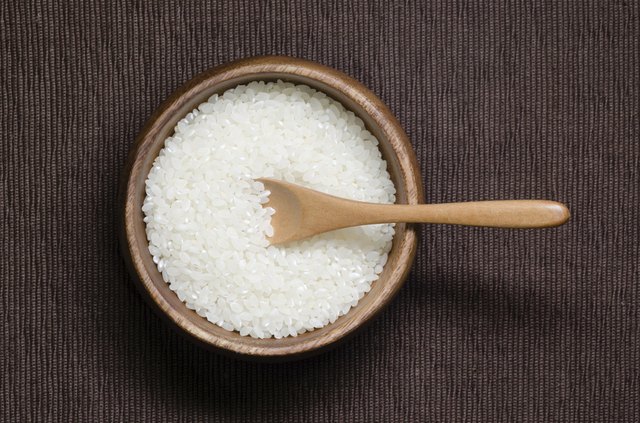
Found in unregulated water supplies and in low levels in rice, arsenic -- a naturally occurring mineral element -- can cause skin problems, nausea, vomiting and diarrhea, stomach pain, paralysis, blindness and numbness of the extremities if it's ingested in large amounts. Because the Environmental Protection Agency has set limits on the amount that can be found in drinking water, people who get their water from a regulated supply face less potential risk. Rice, however, poses a bigger concern, says ConsumerReports.org, which tested more than 200 samples of a variety of rice products and found measurable amounts of both inorganic and organic arsenic. Those findings show a greater need for government regulation of the amount of the contaminant allowed in food. In the meantime, American Academy of Nutrition and Dietetics spokesperson and registered dietitian Heather Mangieri, recommends that consumers limit their intake of rice products, eating a varied, balanced diet to avoid excessive intake of any one type of contaminant.
11.阻燃剂 - 床垫,软体家具等找到

Credit:
Digital Vision./Photodisc/Getty Images
Found in household products such as upholstered furniture, mattresses, carpet padding, electronics and in the foam of kids' products such as car seats, changing tables, nap mats and nursing pillows, fire retardants are meant to keep you safe, but they could be doing more harm than good. According to the Environmental Working Group, the contaminants leach out of products and adhere to children's hands and other items they may put in their mouths. Even low exposure during development could cause reproductive damage and issues with behavior, memory, hearing, learning and motor skills in children. "Of most concern is this material called tris, a potential carcinogen," says toxicologist Dr. Patricia Rosen. The Environmental Working Group also cites polybrominated diphenyl ethers as being among the most toxic fire retardants and recommends avoiding contact with all fire retardants as much as possible until the government steps up its regulation standards.
12. Lead – Found in Lead-Based Paint (Most Residential Paint Prior to 1978)
Credit:
加里Ombler /非蒸馏水RF /盖蒂图片社
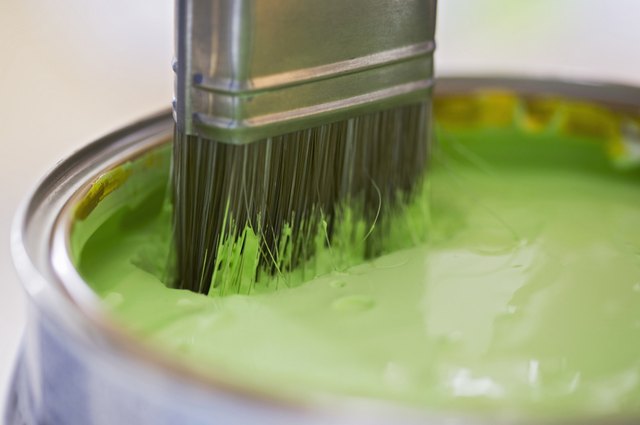
如果你住在老房子里,你应该知道of the effects of lead poisoning, especially if you have young children. Before 1978, most residential paint was lead-based, and even though it wasn't sold after that, the Environmental Services Department (ESD) of San Diego reports that more than 38 million homes in America still have lead-based paint. The California Department of Public Health reports that even exposure to low levels of lead can cause high blood pressure, compromised brain and kidney function and increased risk of miscarriage. In children, lead can cause developmental and behavioral problems, premature birth, low birth weight and learning difficulties. Lead dust created during the normal wear and tear of lead-based paint surfaces produces the most common source of poisoning, reports San Diego's ESD. Protect your family by having your paint inspected and removed, replaced or otherwise treated by qualified professionals.
What Do YOU Think?

Credit:
Kraig Scarbinsky/Digital Vision/Getty Images
Are you concerned about your exposure to these chemicals and products? Why or why not? Are there particular chemicals or products you look out for and avoid? Leave a comment below and let us know.